Research

ZERO WASTE

TEXTILE-FORM

MULTIMORPHIC

REGENERATIVE

FROM ZERO WASTE TO TEXTILE-FORMS

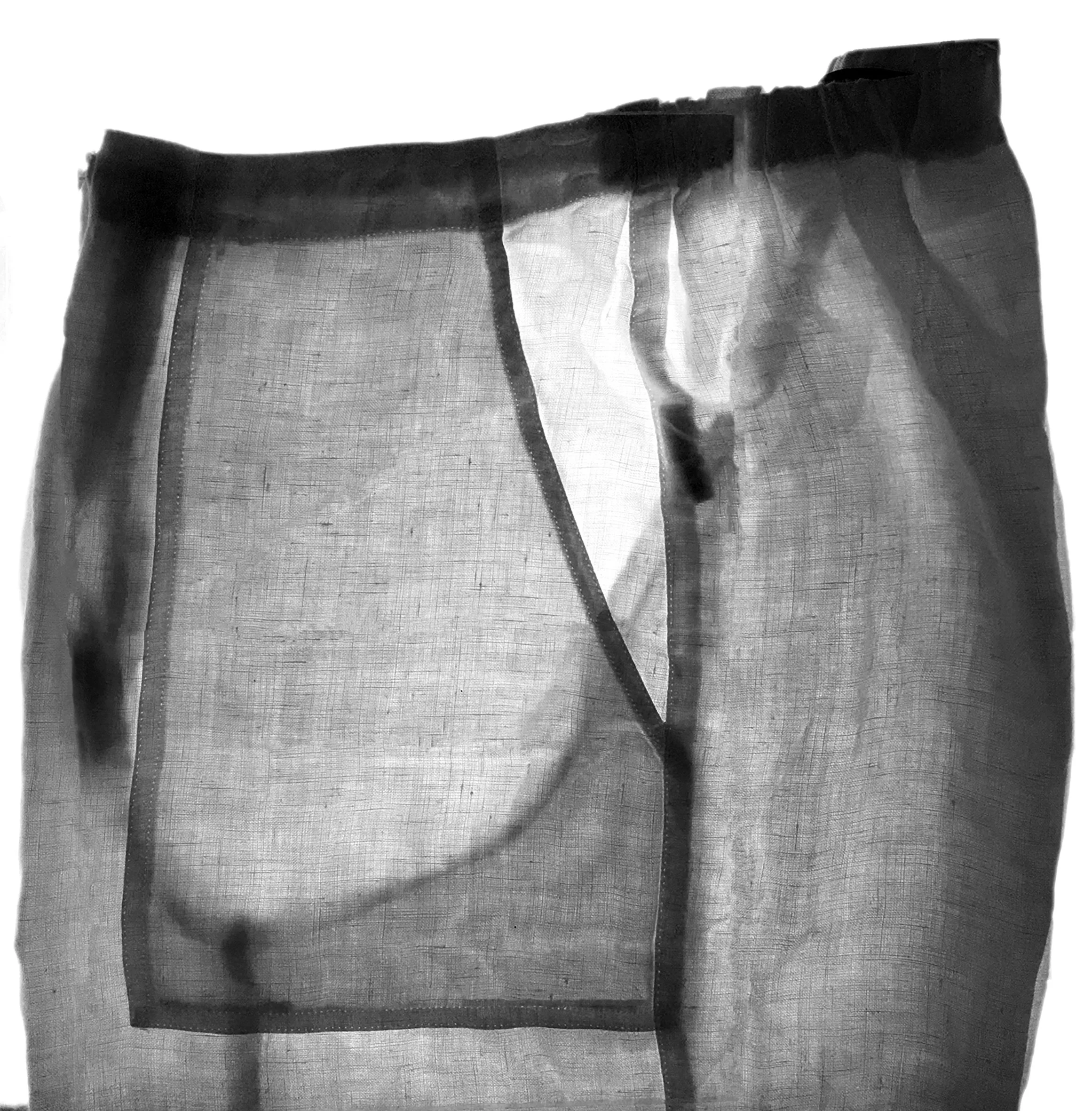
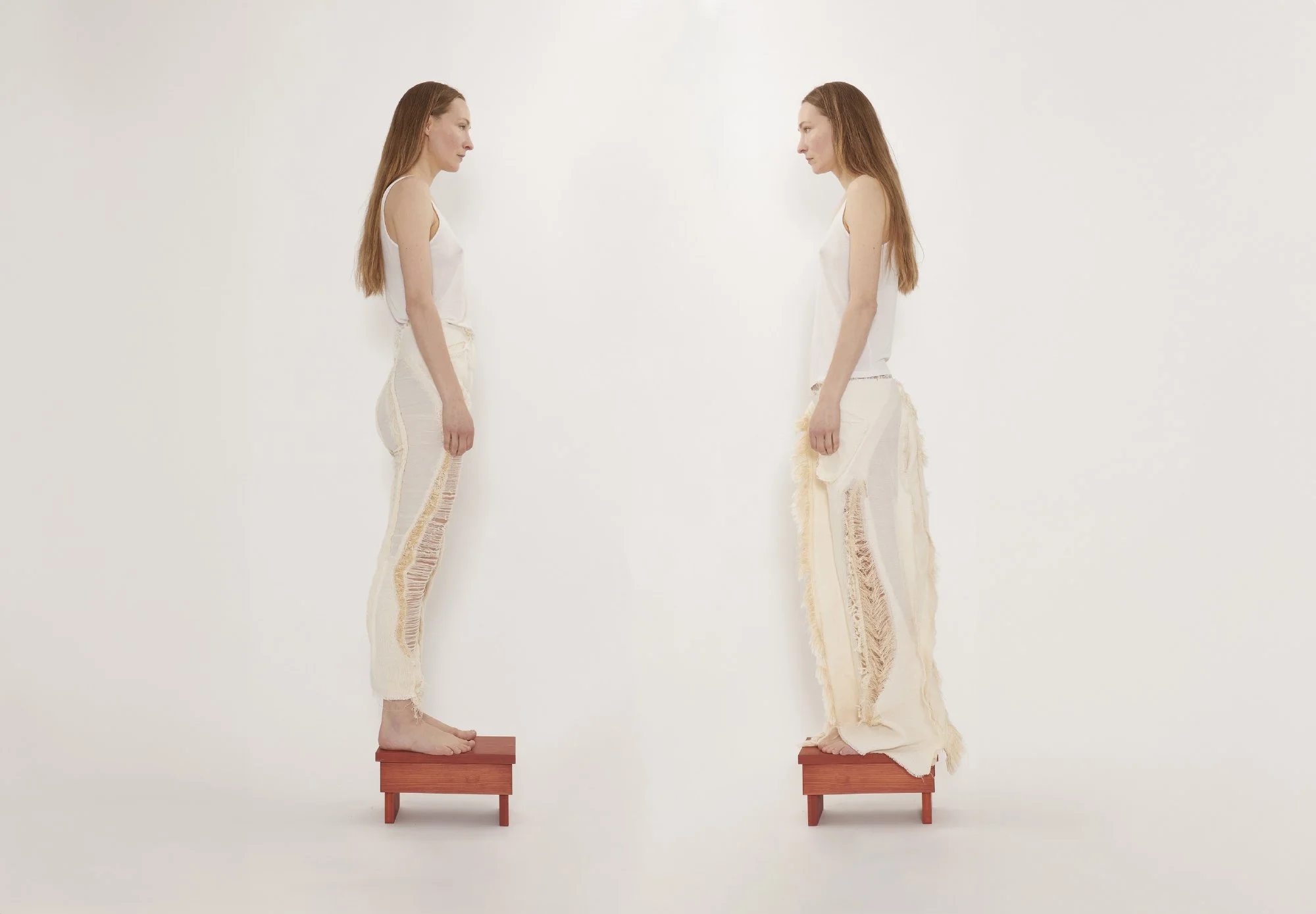
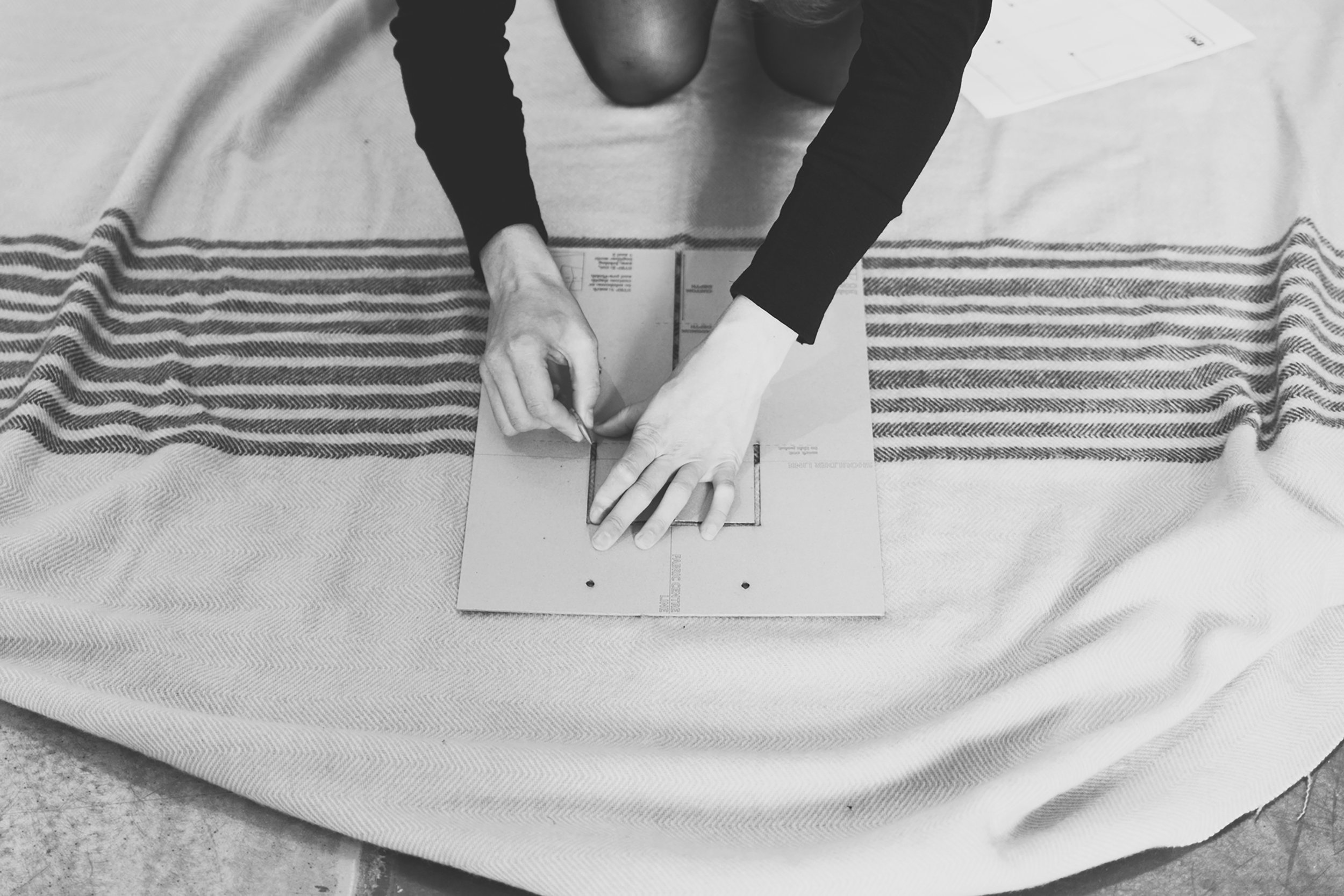
Holly McQuillan’s research began with a deceptively simple problem: what if a garment could be designed so that nothing was wasted, no off-cuts, no material left on the floor, no separation between the logic of the cloth and the logic of the form? Pursuing that question seriously, through design practice and making, revealed something larger. Waste isn’t a cutting problem. It’s a systems problem, a symptom of a fundamental misalignment between how we design, how we make, and how living systems actually work.

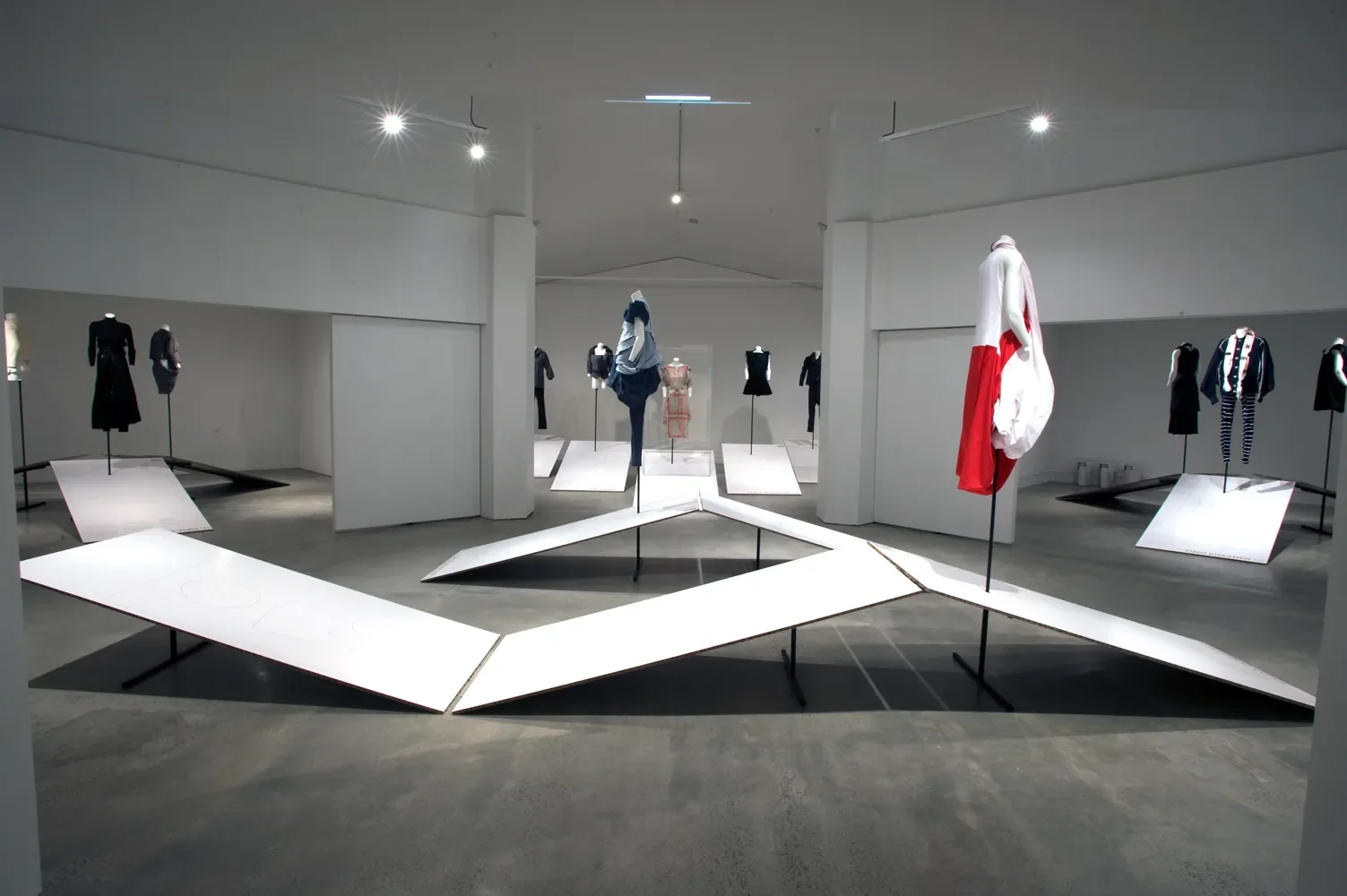
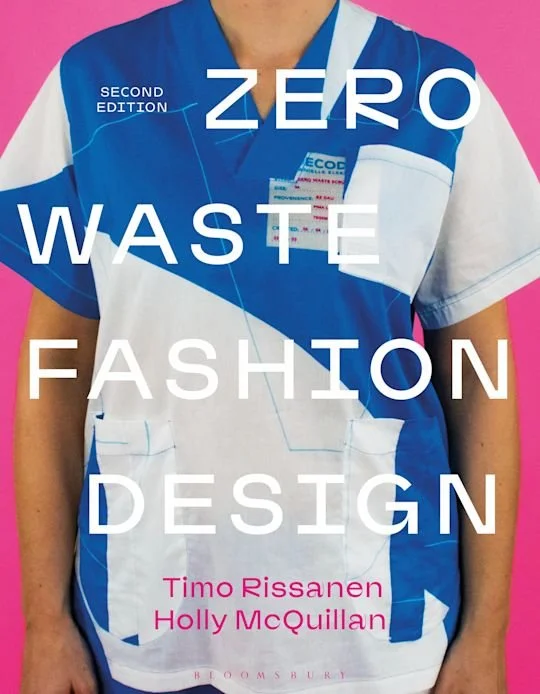
That realisation shifted the work. Zero waste fashion design remains an important reference point, and the body of work developed through projects like Make/Use, and formalised in Zero Waste Fashion Design (Bloomsbury, 2nd ed. 2023, co-authored with Timo Rissanen) continues to be widely used in education and industry. But the research has moved toward the deeper question: what would it look like to design textile systems, the materials, the tools, the processes, the forms, that are regenerative by nature rather than wasteful by default?

MULTIMORPHIC TEXTILE SYSTEMS

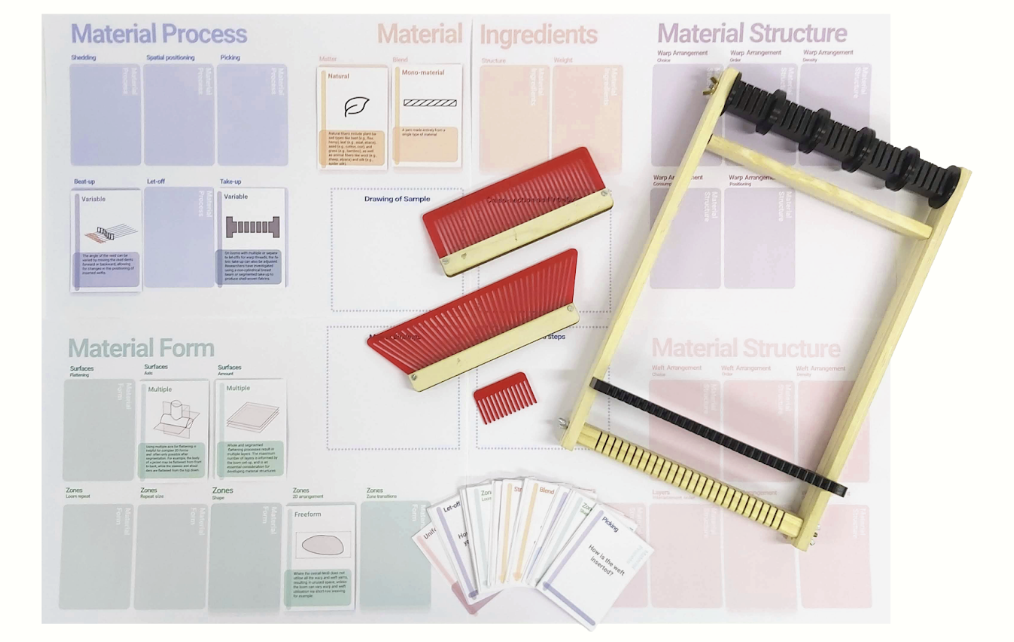
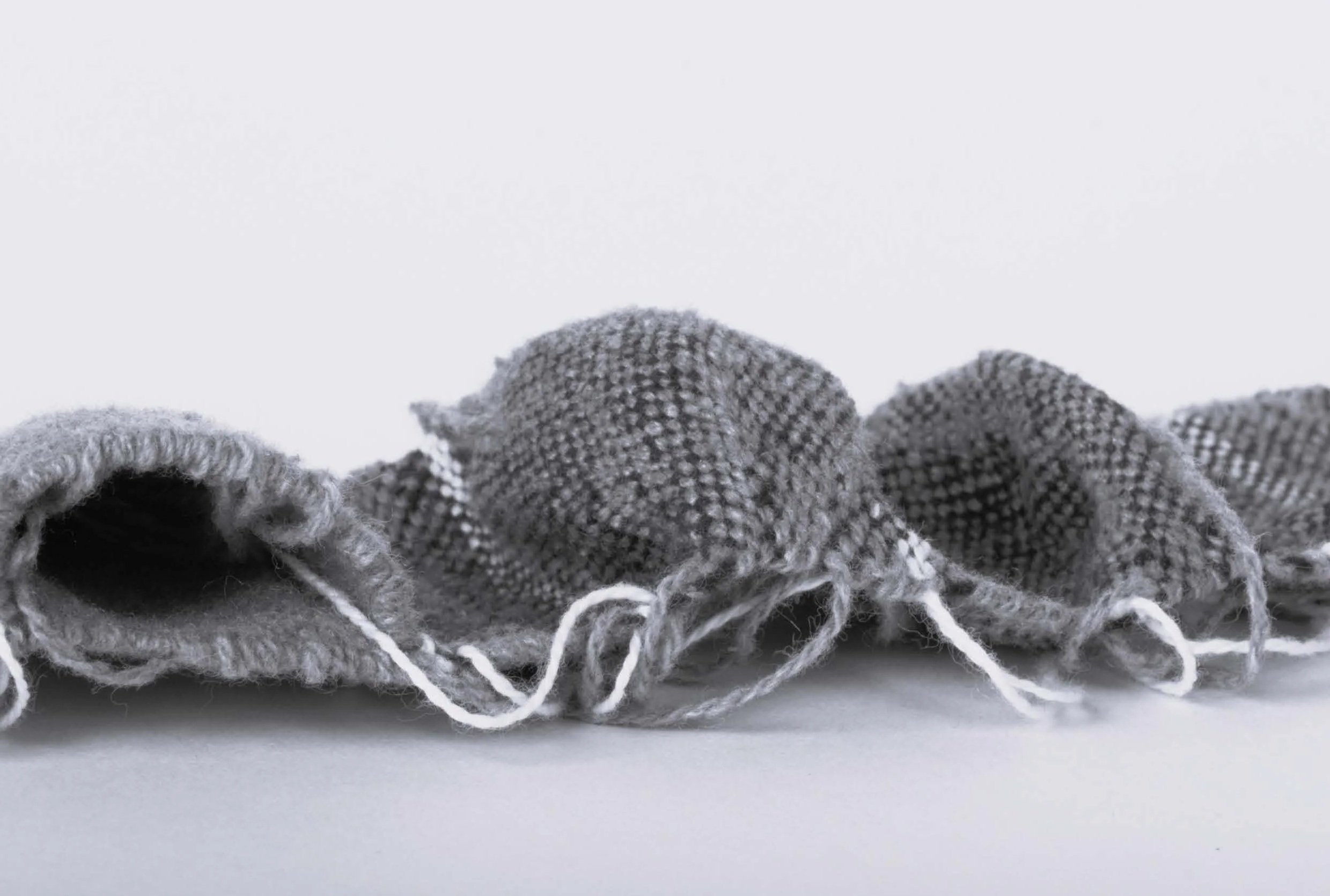
Central to this shift is the concept of the textile-form, a term developed through Holly’s PhD research (Zero Waste Systems Thinking: Multimorphic Textile-forms, University of Borås, 2021) to describe three-dimensionally formed textile structures that are conceived, constructed, and given form as a single integrated process. The term was coined to move beyond the narrower framings of “wholegarment”, which implies apparel, and “3D weaving”, which tends to be associated with surface texture rather than structural form-giving.

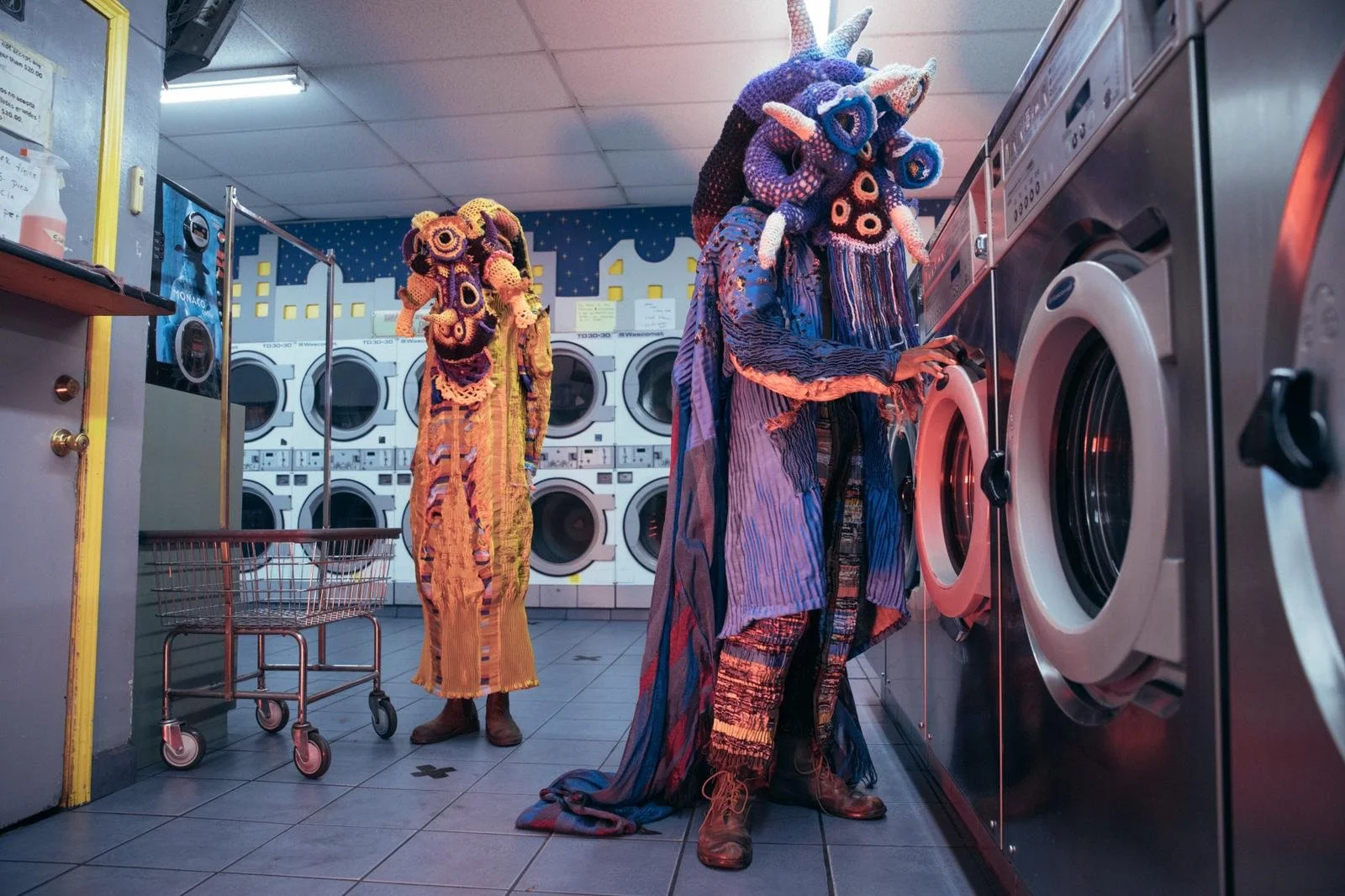
Multimorphic textile-forms are designed to shift, respond, and adapt. The material, the process, the tool, and the form are considered together, opening into research on animated textiles, smart textile systems, living materials, and fabrication methods that minimise waste structurally rather than as an afterthought.

REGENERATIVE MATERIAL ECOLOGIES

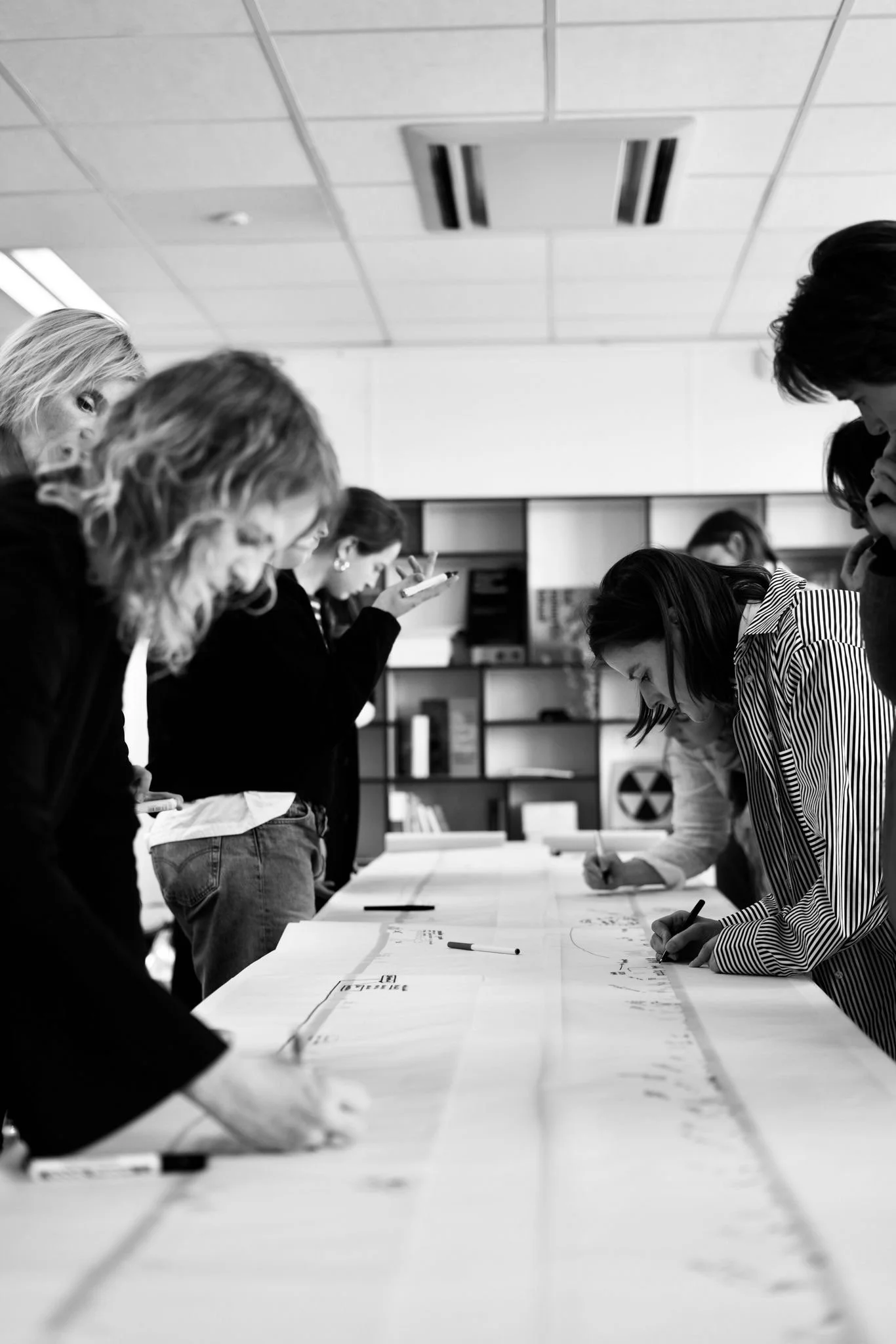
The current work asks what it would mean for textile systems to actively support living systems, to be regenerative rather than merely less harmful. This is the territory of the Centre of Design Research for Regenerative Material Ecologies (DREAM), co-founded at TU Delft, which explores materials that are dynamic, emergent, and ecologically situated. It is also the territory of new initiatives currently in development, including a Delft Design Lab focused on textile systems and industry connection, and a forthcoming EU Horizon project at grant agreement stage, a direct extension of her research into zero waste textile-form manufacturing systems.